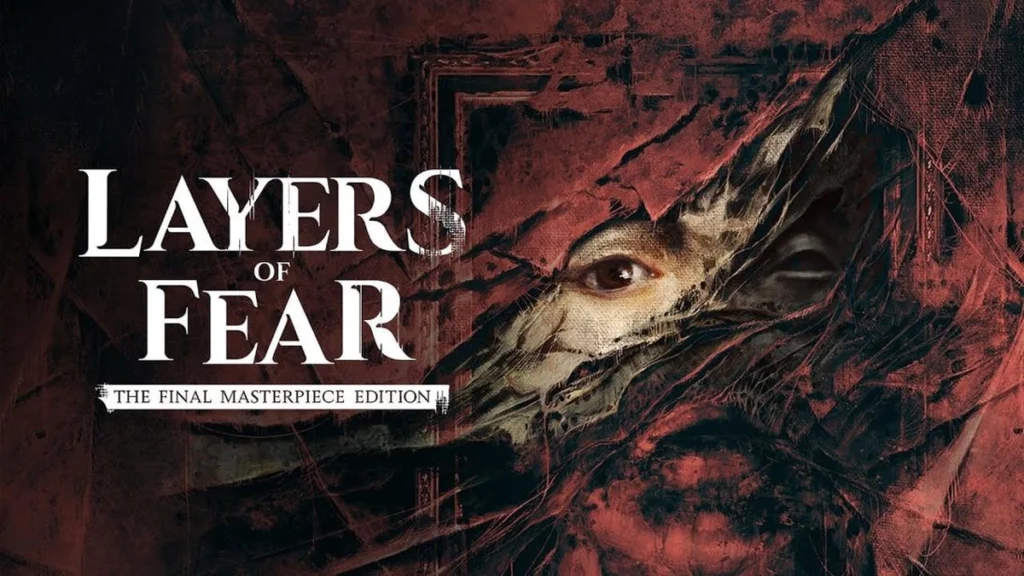

Okay, let’s be honest. Jump scares are cheap. We all know that. But what separates a genuinely terrifying game from something that’s just startling? It’s the atmosphere, the story, the why behind the scares. And that’s where Layers of Fear truly shines. It’s not just about things jumping out at you; it’s about the descent into madness, the unraveling of a tortured soul, and the unsettling beauty of decay. Layers of Fear isn’t just a game; it’s a psychological thriller wrapped in a gothic horror package.
The Painter’s Descent: More Than Just a Spooky House
Here’s the thing: many horror games rely on external threats – monsters, demons, zombies. Layers of Fear flips the script. The true monster is internal – the painter’s own mind. We’re not just running from a creature; we’re running from his demons, his regrets, his obsessions. The ever-changing house isn’t just a set piece; it’s a manifestation of his fractured psyche. What fascinates me is how the game uses the environment to mirror the painter’s mental state.
And that’s what makes it stick with you. It’s not the initial scare, but the creeping dread that settles in as you piece together the fragments of his past. A common technique is using the setting to convey meaning, so, as you explore the opulent yet decaying mansion, each room reveals more about the painter’s ambition, his failing marriage, and his growing insanity.
But why does this matter? Because it elevates the game beyond a simple horror experience. It becomes a study of addiction, perfectionism, and the destructive nature of obsession. The game’s narrative creates tension and an unnerving atmosphere. It’s a cautionary tale wrapped in a terrifying package.
The Art of Horror: Visuals and Sound Design
Let me rephrase that for clarity. The visuals in Layers of Fear aren’t just pretty; they’re disturbing. The shifting perspectives, the impossible geometry, the grotesque imagery – it all contributes to a sense of unease. And the sound design? Don’t even get me started. The creaking floors, the distant whispers, the unsettling musical score – it’s a symphony of dread that keeps you on edge from beginning to end. It sets the perfect tone for the psychological horror game.
But it’s not just about the technical aspects; it’s about how they’re used to create a specific mood. The game isn’t afraid to use silence to build tension, or to suddenly bombard you with overwhelming sensory input. This contrast keeps you guessing, never allowing you to fully relax. The developers at Bloober Team really understand the power of atmosphere.
The Inspiration Behind the Madness: Art History and Psychological Horror
What fascinates me is how much art history is woven into the game. References to famous paintings abound, from Van Gogh to Goya. But these aren’t just Easter eggs; they’re integral to the story. They represent the painter’s aspirations, his influences, and ultimately, his failures. He strives for greatness, but is ultimately consumed by the pursuit. Dive into the depths of psychological terror.
So, in what ways is this relevant? The game uses these references to explore the themes of artistic obsession and the price of genius. It suggests that the pursuit of perfection can lead to madness, and that the line between inspiration and insanity is often blurred. The painter’s ambition drives him to madness and ultimately, his downfall.
Is Layers of Fear Still Scary? (Spoiler: Yes)
Despite being released some time ago, Layers of Fear remains a potent horror experience. Why? Because it taps into primal fears – the fear of losing control, the fear of the unknown, the fear of our own minds. It’s not just about jump scares; it’s about the psychological torment of a man driven to the edge. Its blend of psychological terror and exploration makes for a thrilling horror game.
But let’s be real. Horror is subjective. What scares one person might bore another. However, the game’s focus on atmosphere, story, and character development makes it a more enduring experience than many other horror games. It’s a slow burn that stays with you long after the credits roll. The chilling narrative and suspenseful sound design continue to create moments of tension and fear.
Final Thoughts: Beyond the Jumpscares
Layers of Fear is more than just a haunted house simulator. It’s a chilling exploration of the human psyche, a descent into madness that’s both terrifying and strangely beautiful. It’s a reminder that the scariest monsters are often the ones we create ourselves. The game’s ending is both terrifying and thought-provoking. So, if you’re looking for a horror experience that will stay with you, this is one game you shouldn’t miss.
FAQ
What platforms is Layers of Fear available on?
Layers of Fear is available on PC, PlayStation 4, Xbox One, Nintendo Switch, and other platforms. Check your platform’s store for availability.
Is Layers of Fear scary?
Yes, Layers of Fear is generally considered a scary game due to its psychological horror elements, disturbing imagery, and suspenseful sound design.
Is Layers of Fear worth playing?
If you enjoy psychological horror games with a focus on story and atmosphere, Layers of Fear is definitely worth playing.
Are there jump scares in Layers of Fear?
Yes, there are jump scares in Layers of Fear, but the game relies more on psychological horror and building a sense of dread rather than constant jump scares.
What are some similar games to Layers of Fear?
If you enjoyed Layers of Fear, you might also like games like Amnesia: The Dark Descent, Outlast, and Silent Hill, which feature similar psychological horror elements.


Leave feedback about this